In a world where individual and education is a major factor in shaping our future A natural learning environment is an ideal for development that is holistic. These kinds of communities, which place an emphasis on the wellbeing of children as well as their own development, offer a safe environment in which children can grow in harmony with nature and with themselves. This article explores the transformational potential of a natural-learning community and its impact on children’s development and overall well-being.
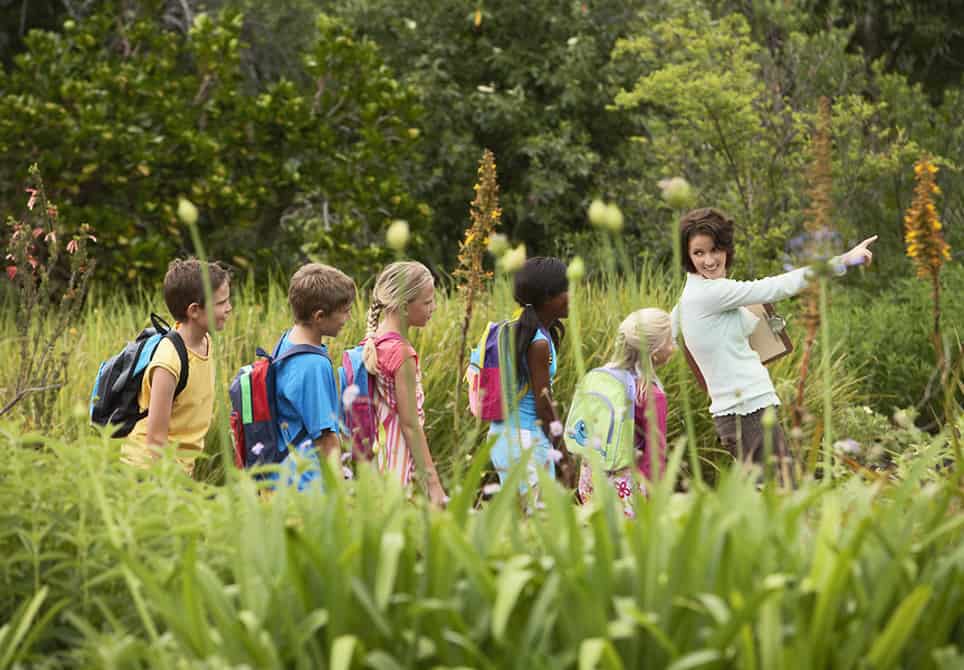
Nature’s Classroom: The essence of a natural learning community
The core of a natural learning community is the bond that exists between the individual and the natural environment. It recognizes that the environment is not just a backdrop for learning, but a full participant in the process. By allowing children to be immersed in the world of nature, these groups provide an exceptional setting in which curiosity, exploration and discovery are encouraged.
A learning community focused on well-being places equal importance to academic achievement as well as the emotional, physical, and social development of each child. This holistic approach recognizes the importance of children’s well-being as a foundation for learning and personal development.
Children’s natural curiosity and interest in learning The approach of a curious child
Children are naturally curious and are driven by an unstoppable desire to learn and explore their surroundings. Natural learning communities feed the curiosity of children and allow them to engage with their surroundings in a meaningful way. These communities promote hands-on learning, sensory engagement and experiential learning instead of confining the learning within the traditional classroom.
Within the nurturing confines of a natural learning community, children natural learning unfolds organically. They delve into subjects that spark their interest and curiosity, they ask questions, search for answers and connects. This approach to learning based on curiosity not only enhances the knowledge of students but also inspires a passion for learning that lasts throughout their lives.
A refuge for personal growth and well-being
In a space that is supportive and values the uniqueness of each child, their growth is accelerated. Natural learning communities provide the environment in which children can learn about themselves and be empowered. In accepting their strengths abilities, and areas for improvement, children gain confidence in themselves and self-confidence.
Within these communities, the personal development of members is not restricted to academic accomplishments. It includes social skills, emotional intelligence resilient, as well as a sense of empathy. Children learn how to overcome obstacles, work with their peers and communicate their true feelings which are vital for success in the personal and professional fields.
Learn through community involvement and collaboration
Collaboration and participation in the community are two of the main characteristics which define a genuine learning environment. Children are involved in collaborative projects, group projects and community service activities to develop a sense of belonging and a sense responsibility. Children learn to appreciate their role in the world by working in teams to solve issues.
Children learn life skills due to the synergy between wellbeing, learning, and personal growth in an environment of natural learning. They learn the importance of communicating effectively, teamwork and ethical decision-making. These skills enable them to become more responsible and compassionate individuals.
Uncovering the power of transformational potential : Children’s wellbeing and personal development
A natural learning community is able to change lives by forming well-rounded, confident individuals that are ready to meet the challenges of a world in constant flux. These communities bridge the pursuit of academic excellence and growth in a holistic way as well as creating an environment that encourages children to be curious learners and confident individuals.
A natural learning community can nurture children’s mental and emotional health by fostering their wellbeing. They learn the value and advantages of managing stress, self-care and balance.
As children engage in kids’ personal development and growth, they develop a mindset that allows their ability to face new challenges, gain knowledge from mistakes, and continuously strive for self-improvement. This mindset is the basis for resilience and aptitude throughout the course of their lives.
In this era of rapid technological advances and changing social demands, the importance of an integrated approach to personal and educational development cannot be overstated. This is illustrated by an environment of learning that is natural, that offers a safe environment in which children’s well-being is a top priority and their curiosity encouraged.
By embracing the transformative power that nature has, collaborative learning, and community participation, these communities mold children into caring confident, empowered, and able individuals. Children who take on an education journey in a natural learning environment do not just gain knowledge as they grow, but also establish an understanding of the world that surrounds them. This will ensure a life full of purpose, compassion and a desire to continue their education.